***Luc Besson basically tries to top Coppola’s 1992 film***
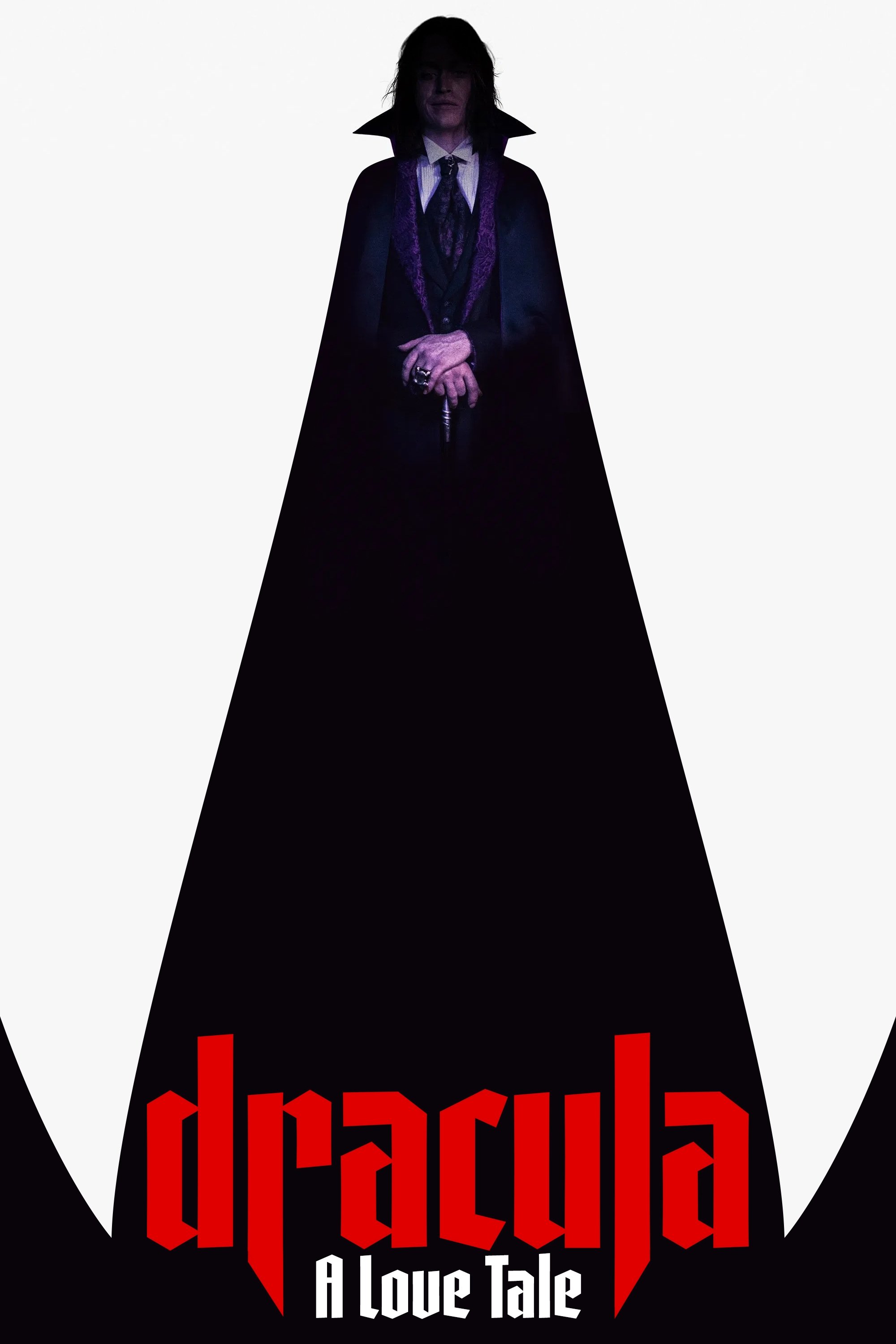
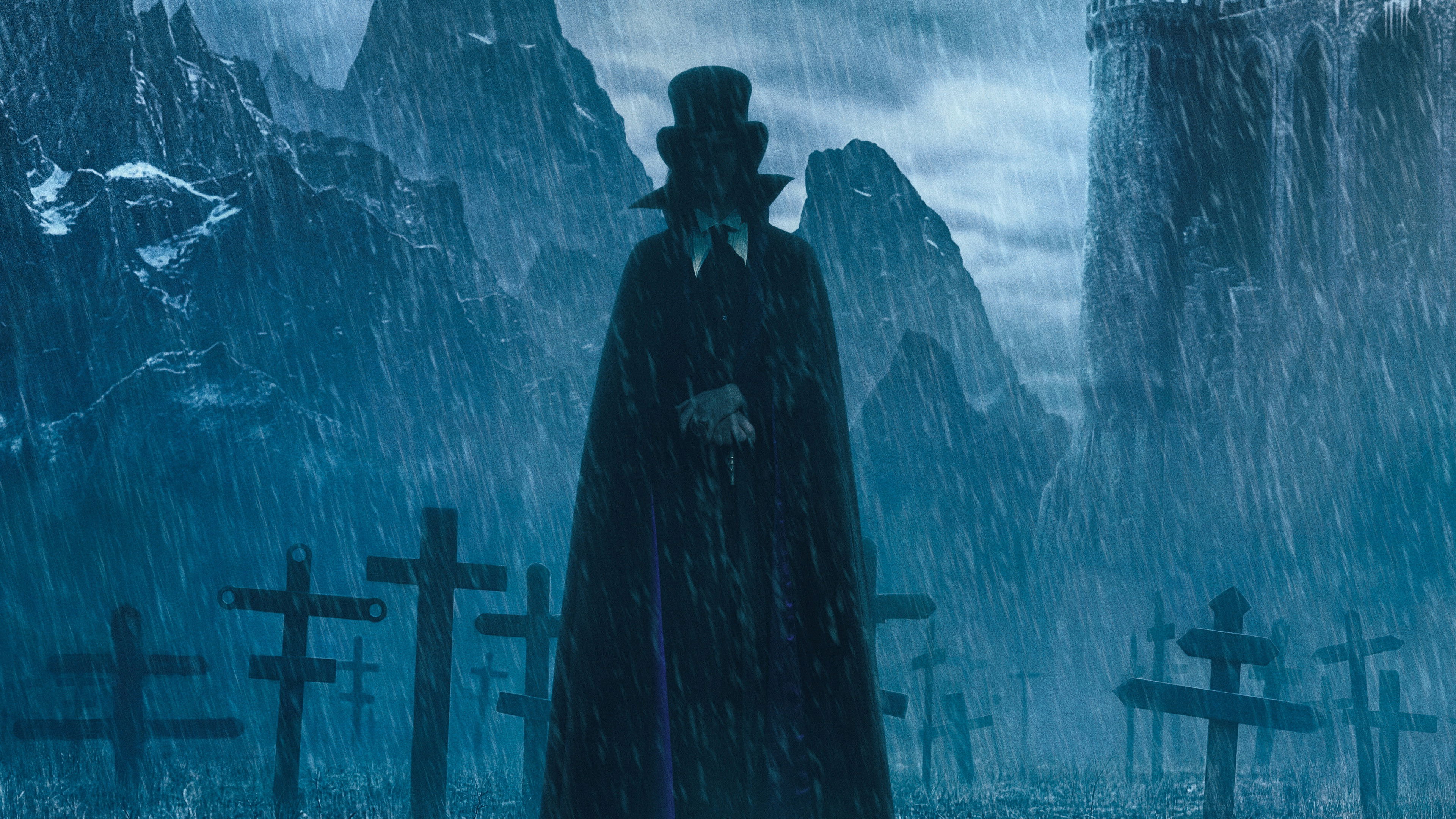
The man behind 2014’s entertaining “Lucy” offers his cinematic version of Bram Stoker’s 1897 Gothic horror novel, obviously influenced by Coppola’s rendition from 33 years earlier. Thankfully, there are enough differences to make it worth catching. For instance, Besson adds creative curves, like undead Vlad’s developing a perfume that lures women to him and his subsequent visit to a nunnery, not to mention Dracula’s helpers, who were obviously inspired by the 1965 Jonny Quest episode “The House of Seven Gargoyles.”
Another difference is that he consolidates several people into one. I’m talking about Maria, played by Matilda De Angelis, who’s essentially a merging of Renfield, Sadie Frost’s character, and Drac’s three brides.
So, which is better? They’re both worth viewing and comparing since each has their strengths. Coppola’s film, despite its attributes, gets bogged down in the second half by trying to follow the book whereas this one keeps things dramatically compelling by imaginatively focusing on the love story and Van Helsing’s attempts to track down the creature. Speaking of Van Helsing, Christoph Waltz is great as the Van Helsing-like priest.
I should add how this one elaborates on two things that Coppola’s film ignored. It explains why Vlad adamantly believes Elisabeta is going to be reincarnated and, secondly, it elucidates the divine curse and resultant immortality that Dracula suffers.
Both movies are tragic-romantic love stories set within a lush Victorian Gothic world. There’s some horror, and the corresponding creepy elements, naturally, but these flicks aren’t very scary. For that, check out Robert Eggers’ “Nosferatu” from 2024.
It runs 2h 9m and was shot Mar-Jul 2024 in Kainuu, Finland, including Kuhmo, which is a 6½-hour drive north of Helsinki, as well as the Paris Region, including Dark Matters studios in Tigery, which is a 42m-drive southeast of the city (and is permanently closed as of late 2024).
GRADE: A-/B+